Optimal Timing for Foundation Repairs
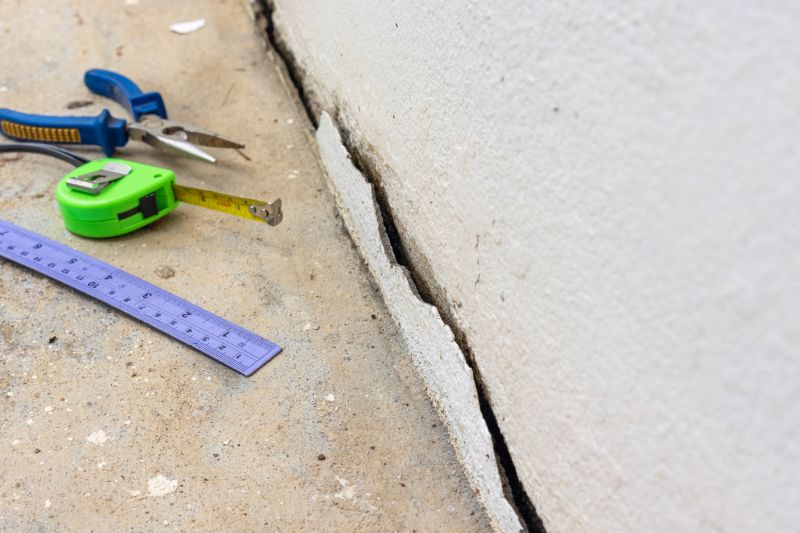
Ways to make Foundation Repairs work in tight or awkward layouts.
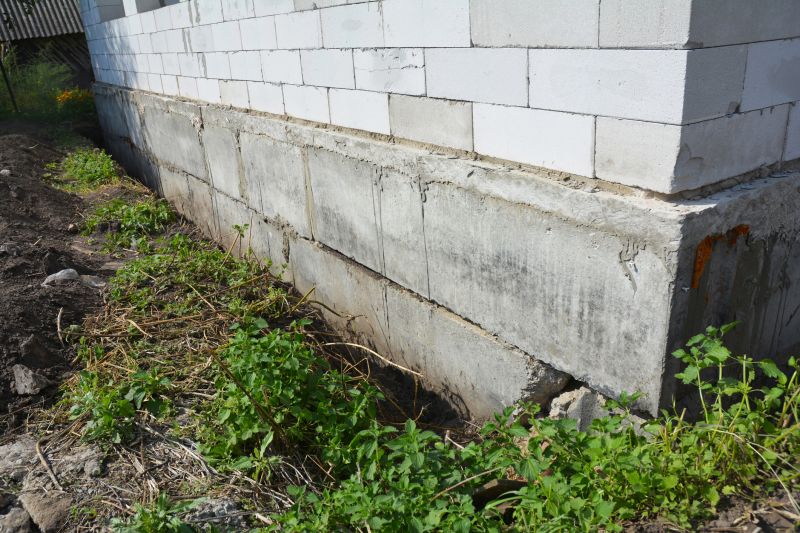
Popular materials for Foundation Repairs and why they hold up over time.
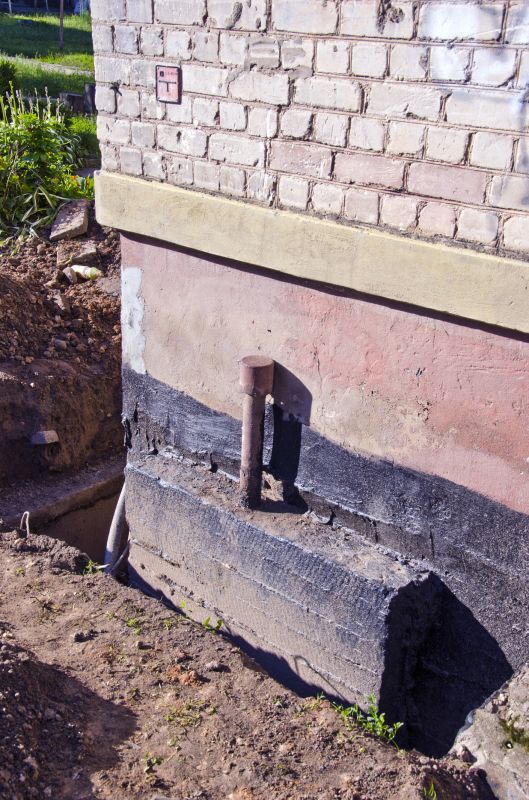
Simple add-ons that improve Foundation Repairs without blowing the budget.
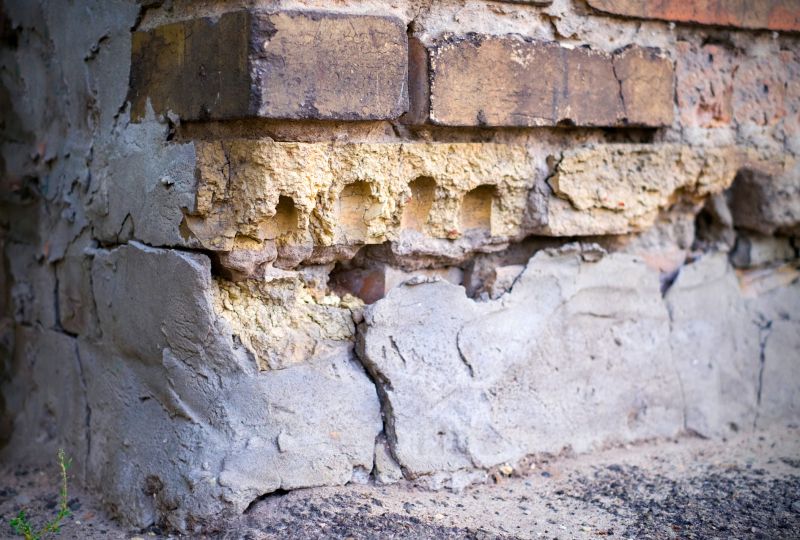
High-end options that actually feel worth it for Foundation Repairs.
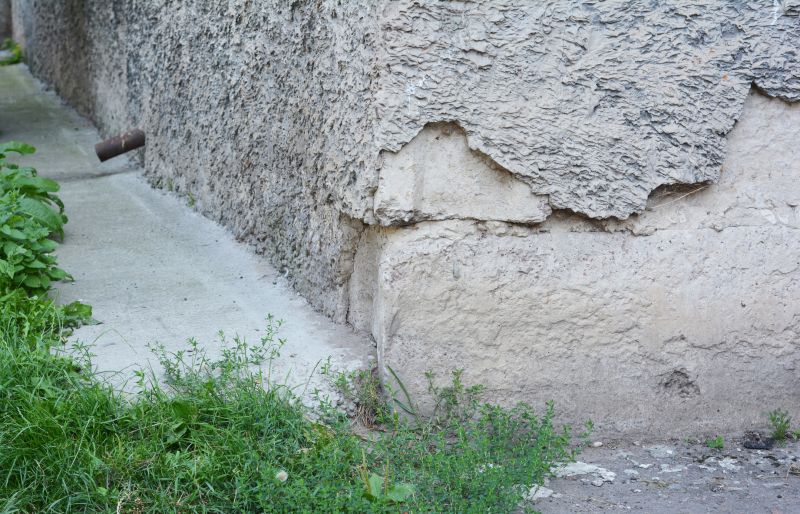
Finishes and colors that play nicely with Foundation Repairs.
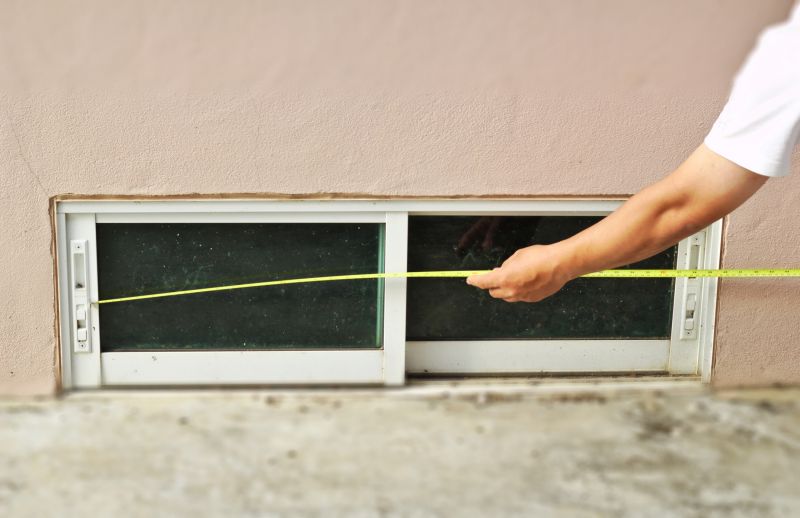
Little measurements that prevent headaches on Foundation Repairs day.
Foundation repairs are most effective when performed during specific weather conditions. Dry, stable weather provides optimal conditions for repairs such as underpinning or stabilization, as soil movement is minimized. Conversely, extreme wet or frozen conditions can hinder repair work and affect the longevity of repairs. Timing repairs during periods of moderate weather can reduce complications and improve outcomes.
Seasonal variations impact foundation stability; understanding these patterns helps determine the best time for repairs. For example, dry summer months often allow for easier access and stable soil conditions, while winter may pose challenges due to frozen ground. Planning repairs during suitable weather windows can lead to better results and fewer disruptions.
Spring offers moderate weather and soil conditions, making it a good time for foundation work.
Dry summer months typically provide stable conditions for repairs and less soil movement.
Fall can be suitable due to cooler temperatures and less extreme weather.
Frozen ground and snow can delay or complicate foundation repairs.
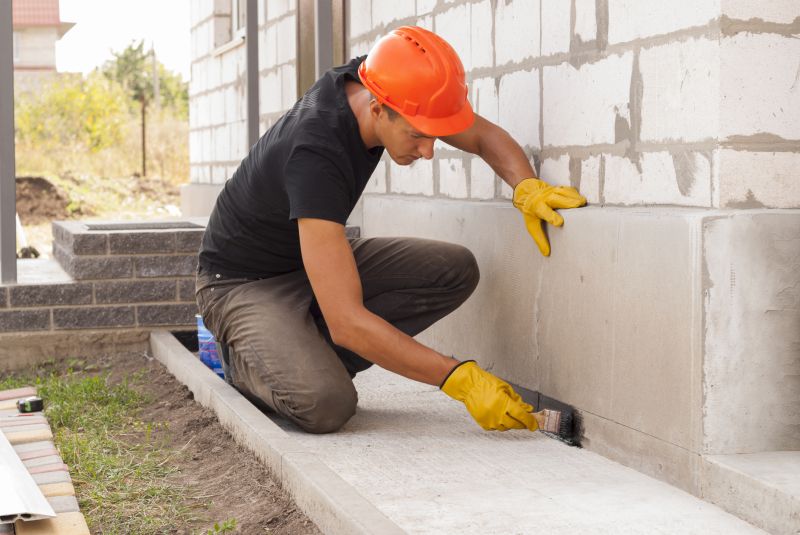
A 60-second routine that keeps Foundation Repairs looking new.
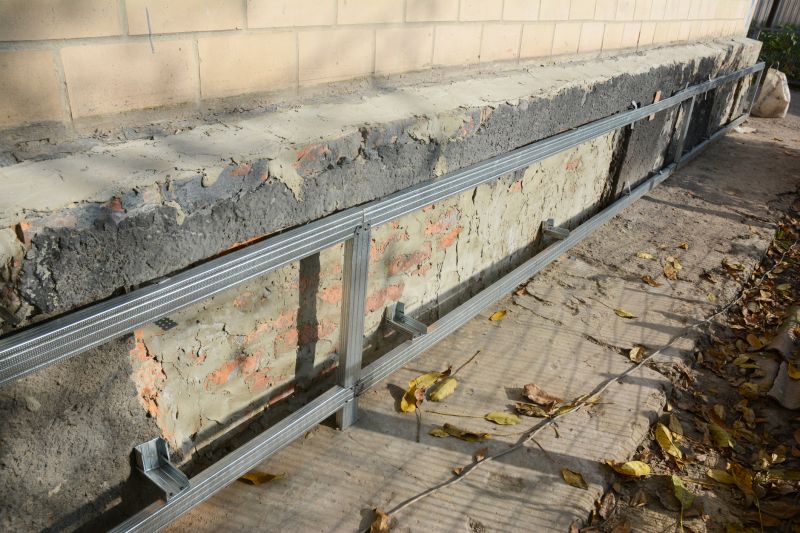
A frequent mistake in Foundation Repairs and how to dodge it.
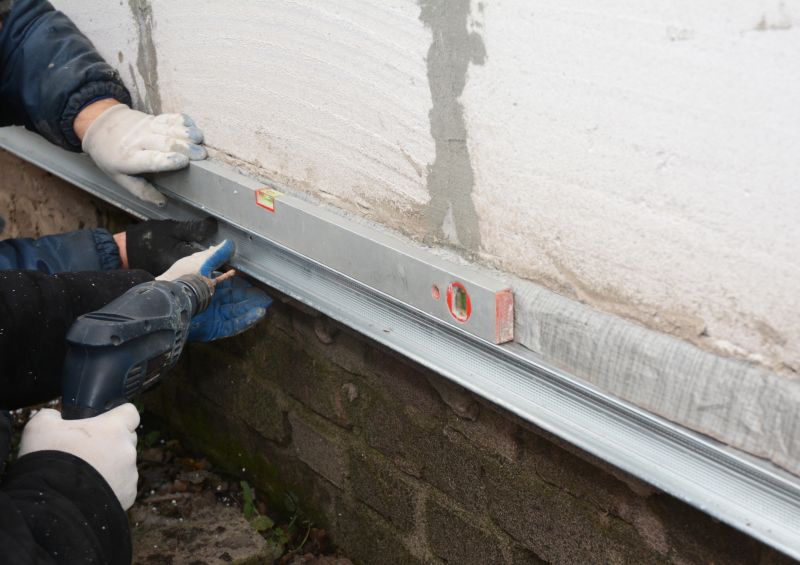
Small tweaks to make Foundation Repairs safer and easier to use.
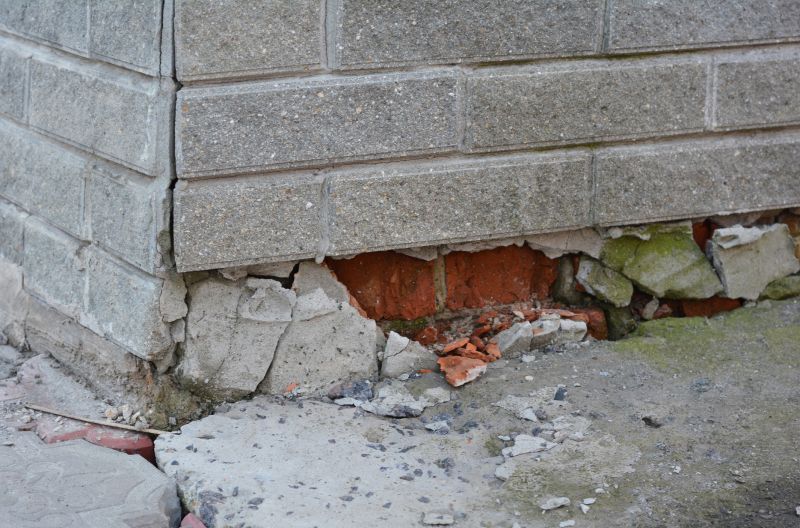
Lower-waste or water-saving choices for Foundation Repairs.
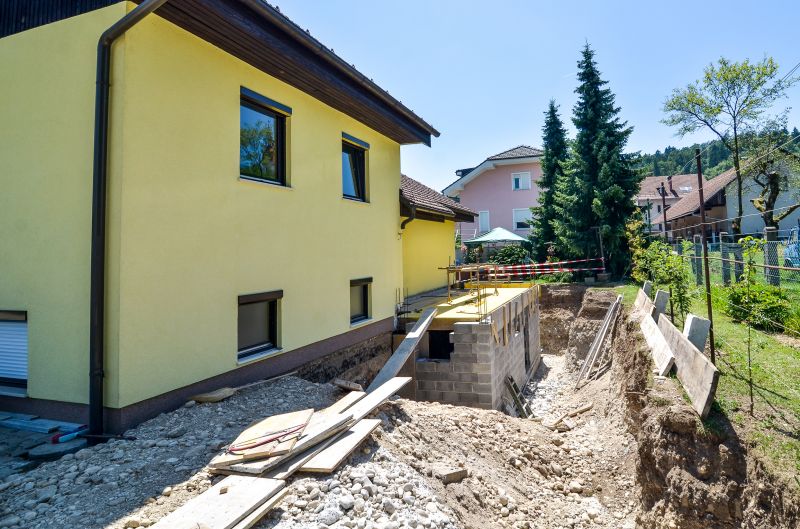
The short, realistic tool list for quality Foundation Repairs.
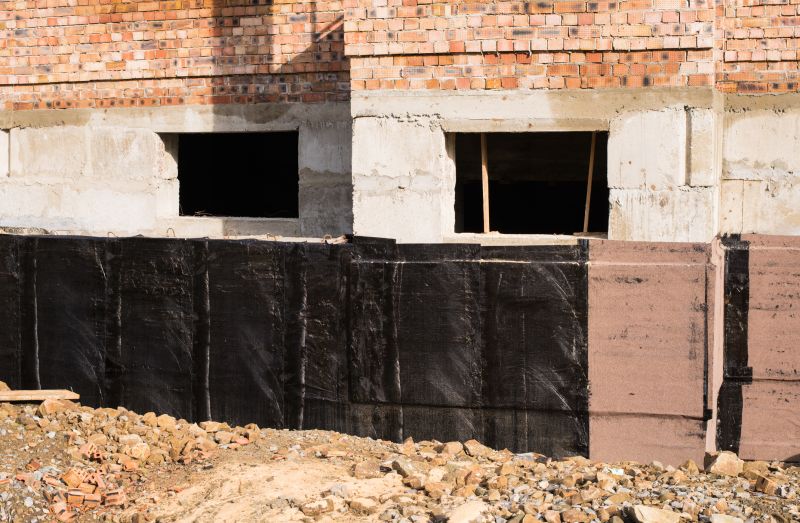
Rough timing from prep to clean-up for Foundation Repairs.
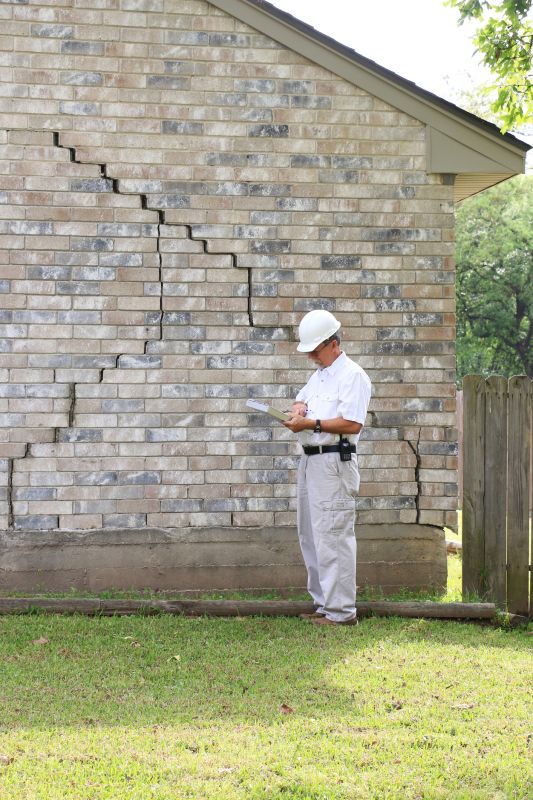
Quick checks and paperwork to keep after Foundation Repairs.
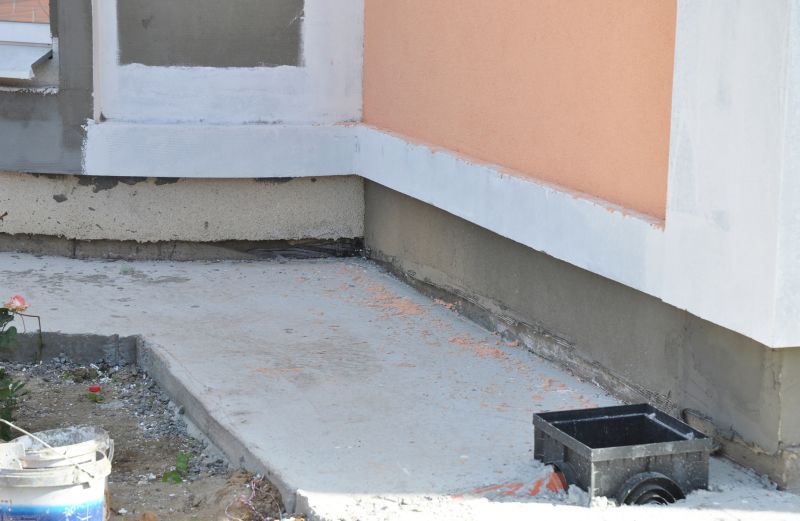
Examples that show the impact a good Foundation Repairs can make.
| Season | Recommended Repair Timing |
|---|---|
| Spring | Ideal for moderate weather and soil conditions |
| Summer | Optimal due to dry and stable ground |
| Fall | Suitable during cooler, less rainy periods |
| Winter | Generally not recommended due to frozen ground |
| Dry Season | Best for most foundation repair activities |
| Wet Season | Can delay or complicate repairs |
| Transition Periods | Require careful assessment before scheduling |
| Post-Extreme Weather | Timing depends on soil and ground stability |
Understanding seasonal and weather patterns is essential for scheduling foundation repairs effectively. Repair work during optimal conditions can reduce risks such as soil movement or ground shifting, which may compromise the stability of the foundation. Proper timing ensures repairs are durable and less susceptible to future issues caused by environmental factors.
Monitoring local weather forecasts and soil conditions helps in planning foundation repairs. Consulting with foundation specialists can provide insights into the best windows for work, minimizing disruptions and ensuring the longevity of the repairs. Proper timing is a key factor in successful foundation stabilization and repair projects.
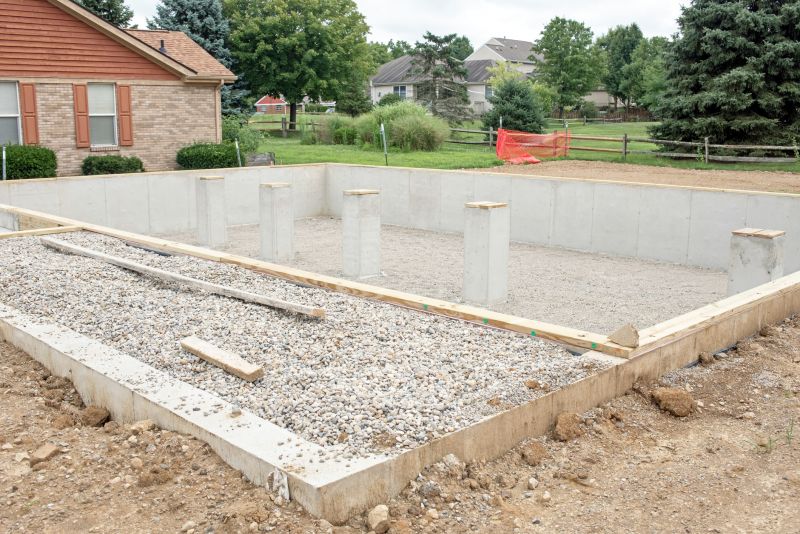
Ways to make Foundation Repairs work in tight or awkward layouts.
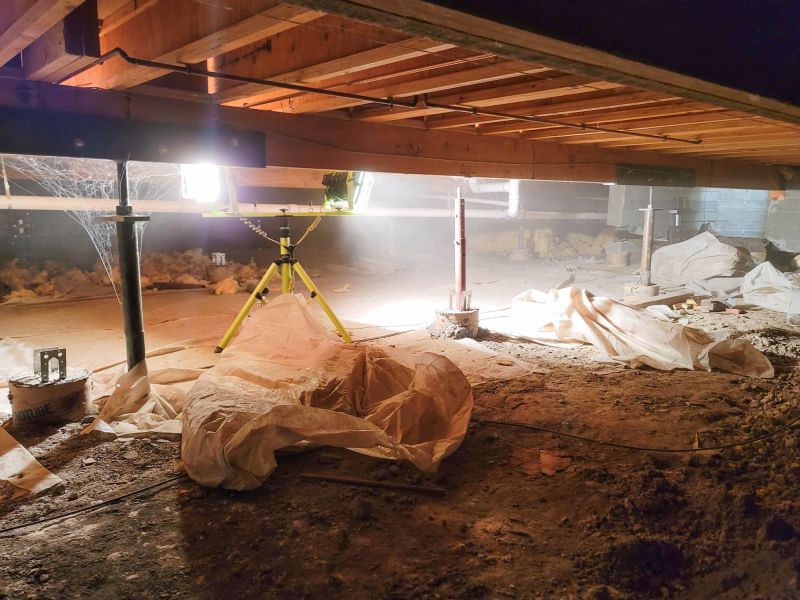
Ways to make Foundation Repairs work in tight or awkward layouts.
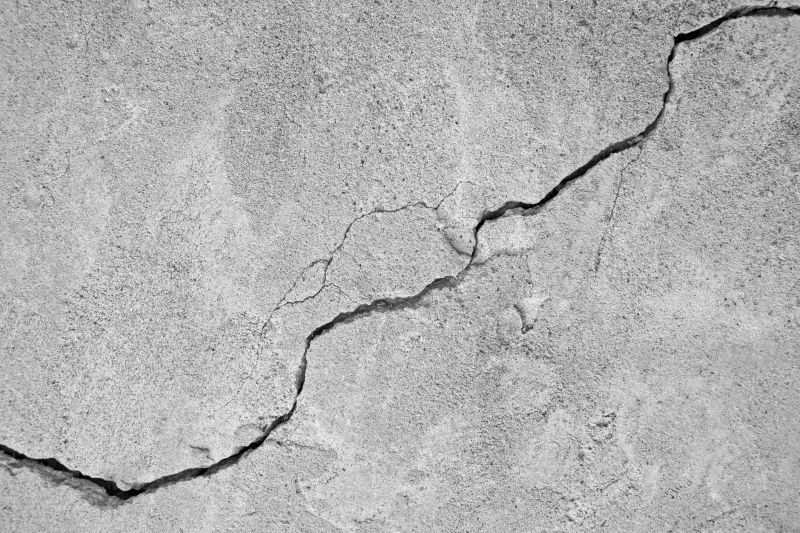
Ways to make Foundation Repairs work in tight or awkward layouts.
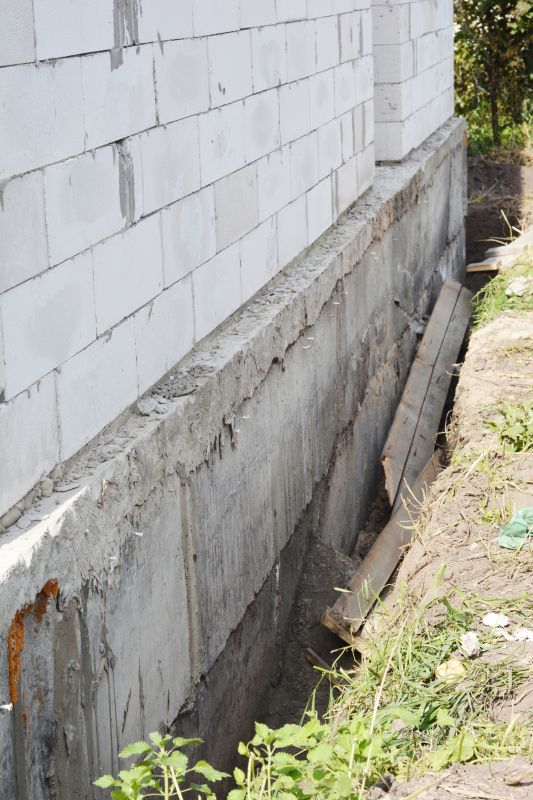
Ways to make Foundation Repairs work in tight or awkward layouts.
Proper timing of foundation repairs can significantly influence project success. Seasonal considerations, soil conditions, and weather patterns all play a role in determining the most suitable time for work. Addressing foundation issues promptly during the appropriate season can help prevent further damage and costly repairs in the future.